Persona behavior
See how distinct users discover, understand and adopt each feature.
PRODUCT SIMULATION
Model real personas inside your product environment. Compare concepts, onboarding, UX, permissions, pricing and feature sequences before engineering commits the roadmap.
WHAT YOU CAN REHEARSE
See how distinct users discover, understand and adopt each feature.
Rehearse first sessions, friction, permissions and time-to-value.
Test which capability should ship first and what unlocks the next.
Observe habits, collaboration, churn risk and team-level growth.
CUSTOMER POPULATION MODEL
OpenX places evidence-based versions of your customers inside a virtual product environment, where they can discover, compare, adopt, reject and return to new features before you ship them.
From a focused cohort to a population of one billion users, each agent can carry the preferences, context and behavioral patterns that matter to your decision, then respond independently as the product changes.
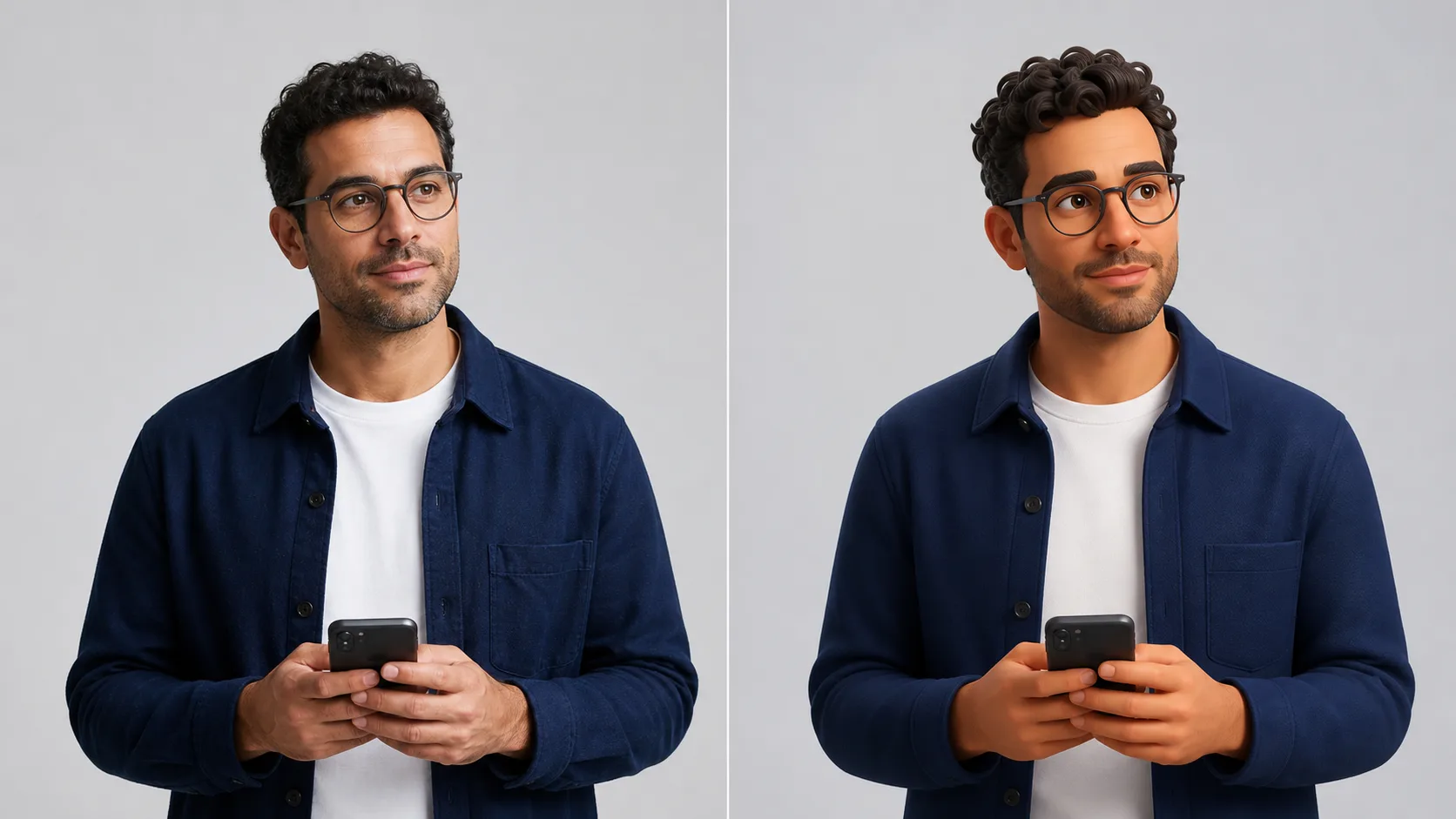
PRODUCT AUDIENCE SIMULATION
OpenX groups customers by needs, habits, barriers and trade-offs, then places those populations inside controlled product variants. The output links every segment to observable choices rather than a descriptive persona deck.
Define the product decision first: adoption, activation, trust, pricing, switching, retention or expansion. The model is built around the behavior the team must change.
Represent existing users, non-users, buyers, administrators, competitors’ customers and hard-to-reach cohorts without averaging away the differences that drive action.
Compare the same feature, onboarding, message, price or release sequence across each population and see where the response changes—and why.
POPULATIONS TO MODEL
Separate loyal, occasional, high-frequency and at-risk users by what they do—not only who they are.
Test how a concept lands with people who have no existing habit, vocabulary or trust in the category.
Identify which combinations of product value, proof and effort are strong enough to change an established choice.
Model narrow or hard-to-recruit populations at useful scale, while keeping uncertainty and source coverage visible.
ILLUSTRATIVE ENTERPRISE SCENARIOS
McKinsey-style knowledge firm
A professional-services organization is evaluating how an internal research assistant should move from prototype to daily project work across practices with different evidence and confidentiality requirements.
Should the firm launch centrally, begin with practice-specific pilots, or let individual teams adopt on demand?
LIVE SCENARIO COMPARISON
Evidence-linked · calibratedOpenX keeps the actors and starting conditions constant, then changes one decision at a time.
YOUR NEXT DECISION