Parallel scenarios
Send independent branches to different nodes. Keep the starting evidence fixed, vary an assumption and compare the results.
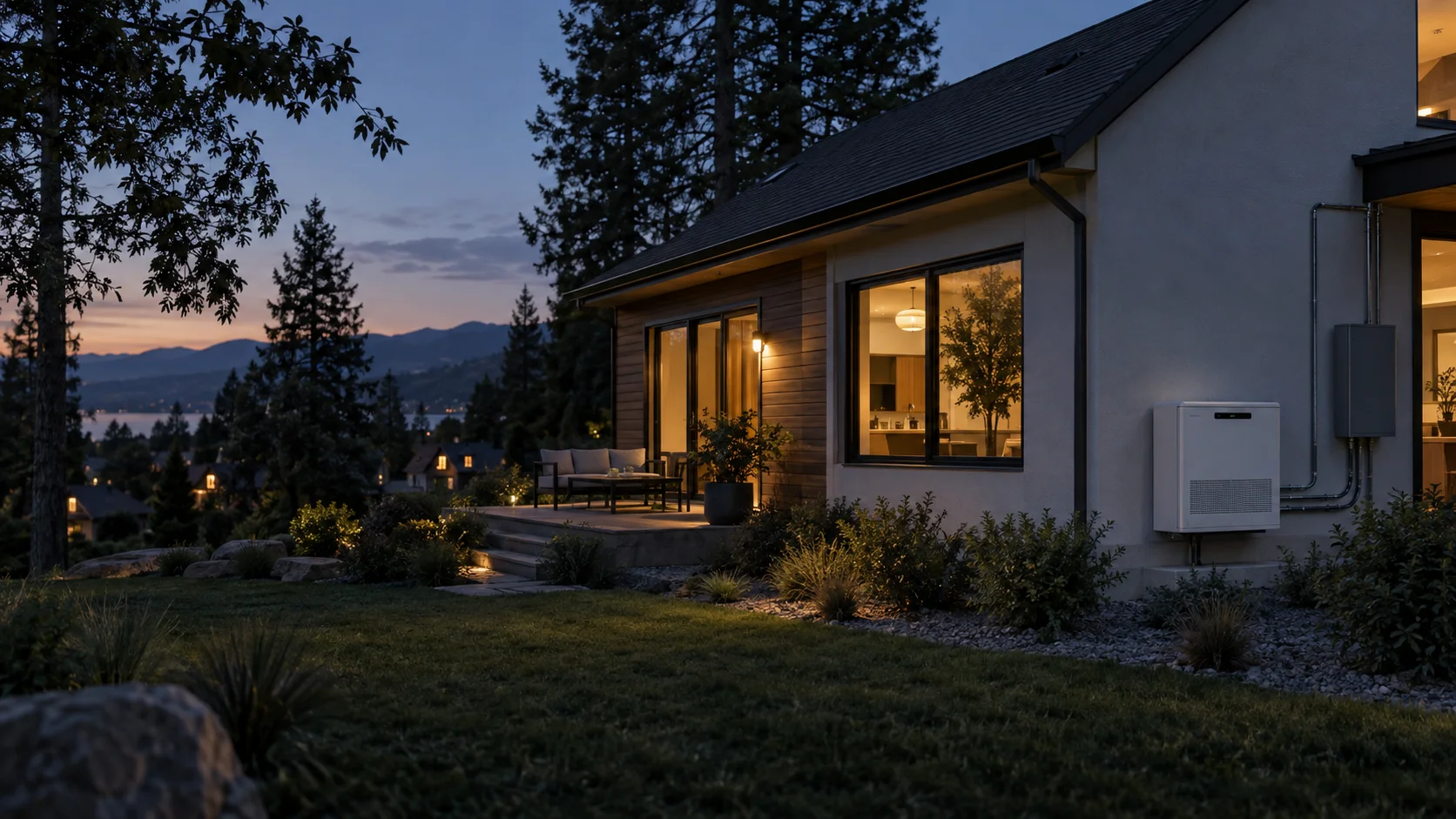
OpenX / Distributed infrastructure
Many places.
One network of compute.
GPU nodes in homes, workplaces and shared spaces.
Connected to simulate what comes next.
The distributed data center
Simulation needs room to explore. Different decisions. Different populations. Different possible futures running alongside one another.
We’re exploring a network of dedicated GPU appliances installed in homes, offices, shops, warehouses, enterprise sites and suitable public facilities. OpenX would coordinate their available capacity into a shared platform for independent simulation runs and AI inference.
OpenX research program · Pilot design in development
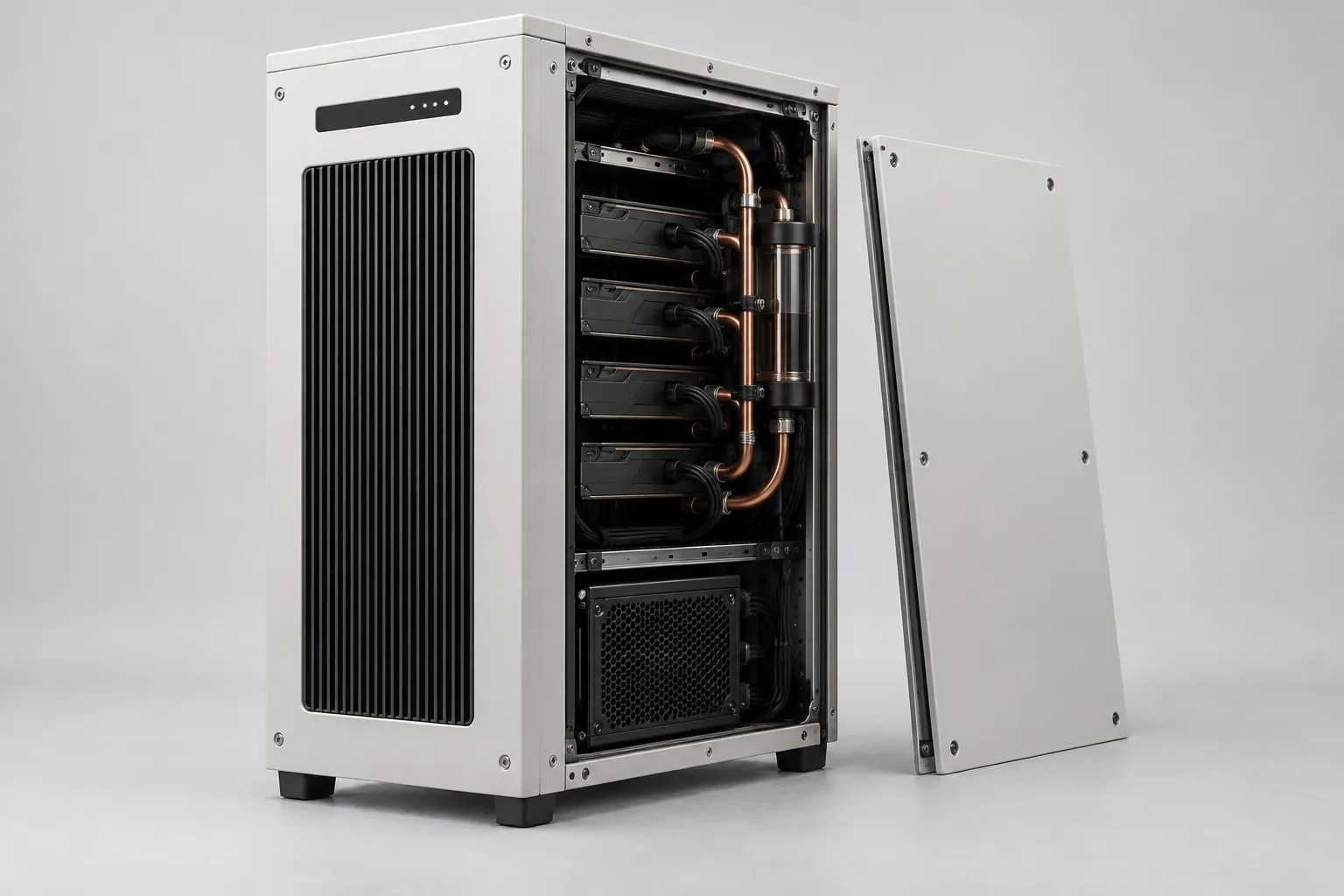
Meet the compute node
A dedicated enclosure brings GPU compute, local memory, networking and thermal management into one serviceable system.
Hardware configuration, installation requirements and operating limits will be determined through pilot testing.
Beyond the home
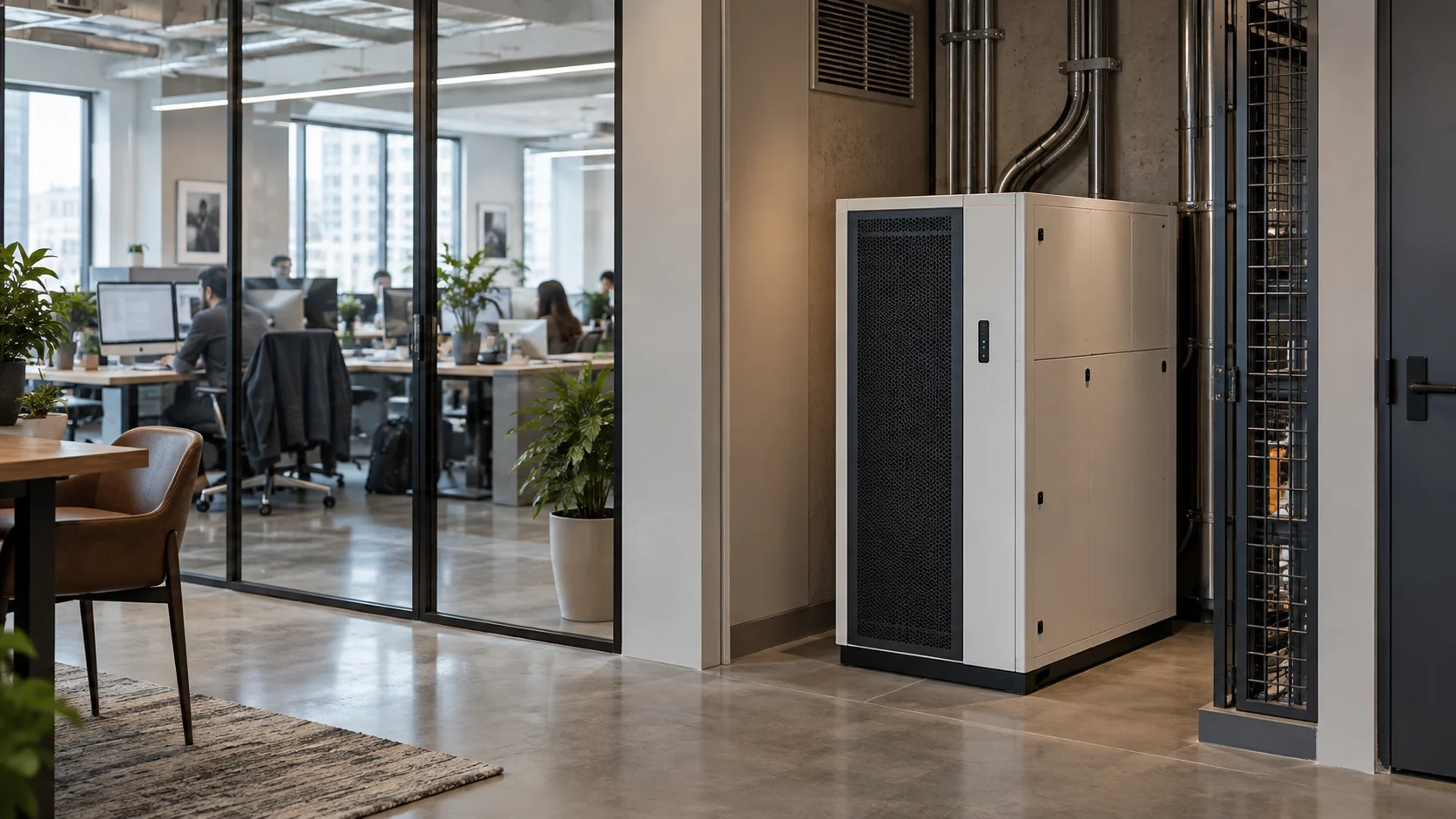
Dedicated compute in a controlled service area, separated from everyday workspaces.

A back-of-house installation with managed access, independent of retail systems.
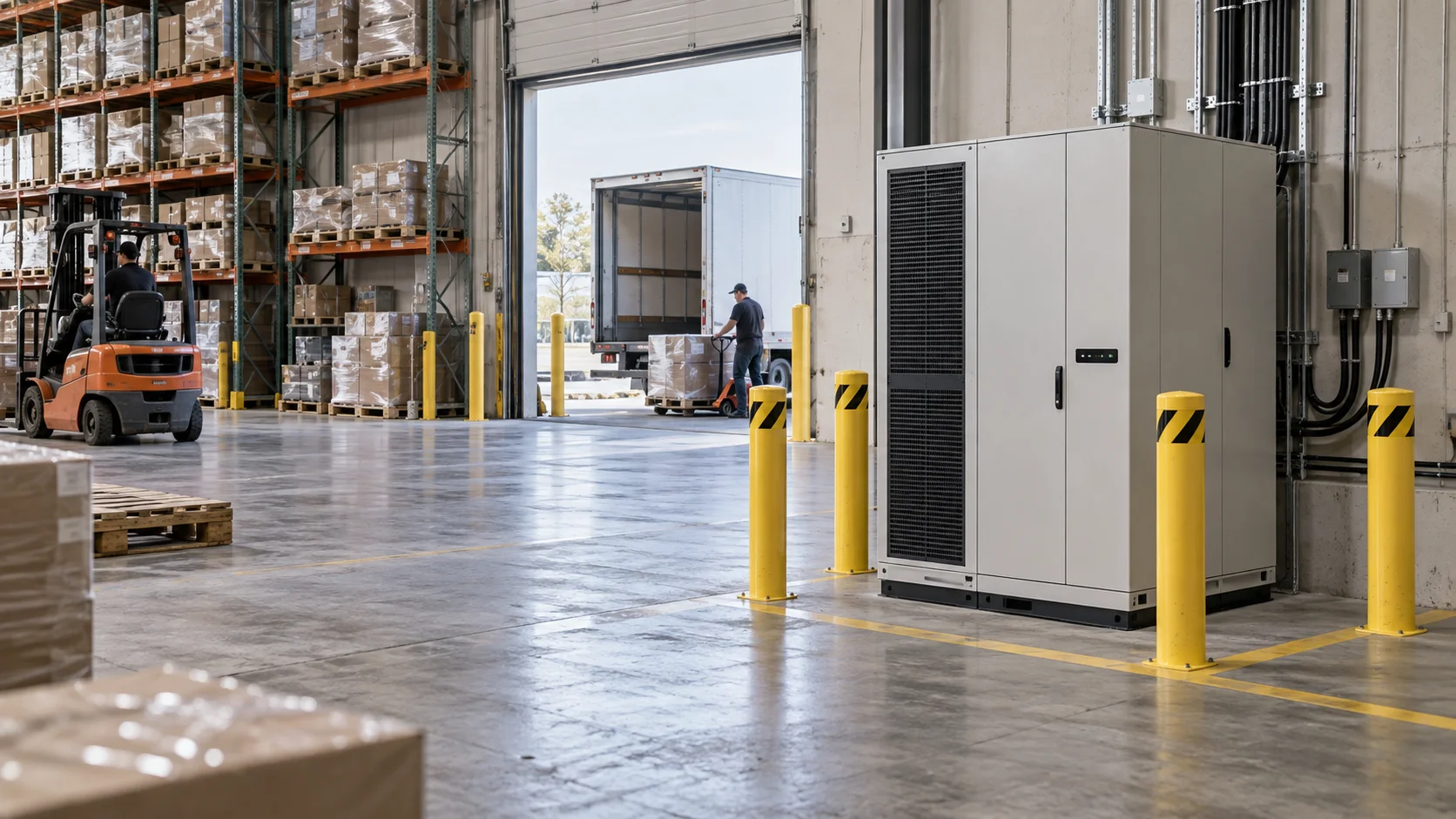
Protected equipment zones with room for servicing, cooling and power infrastructure.
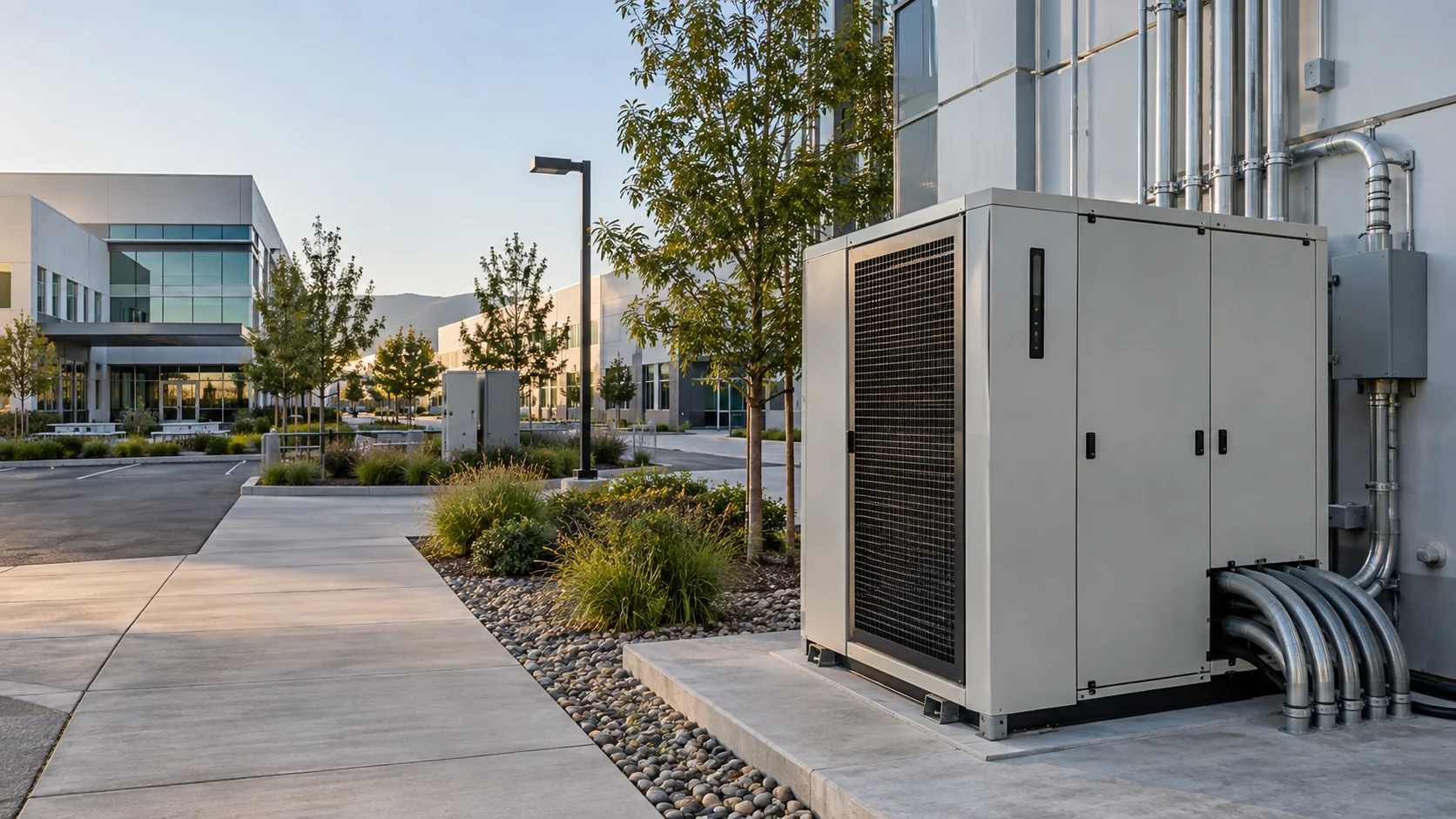
Local nodes across company properties, coordinated through a shared compute network.
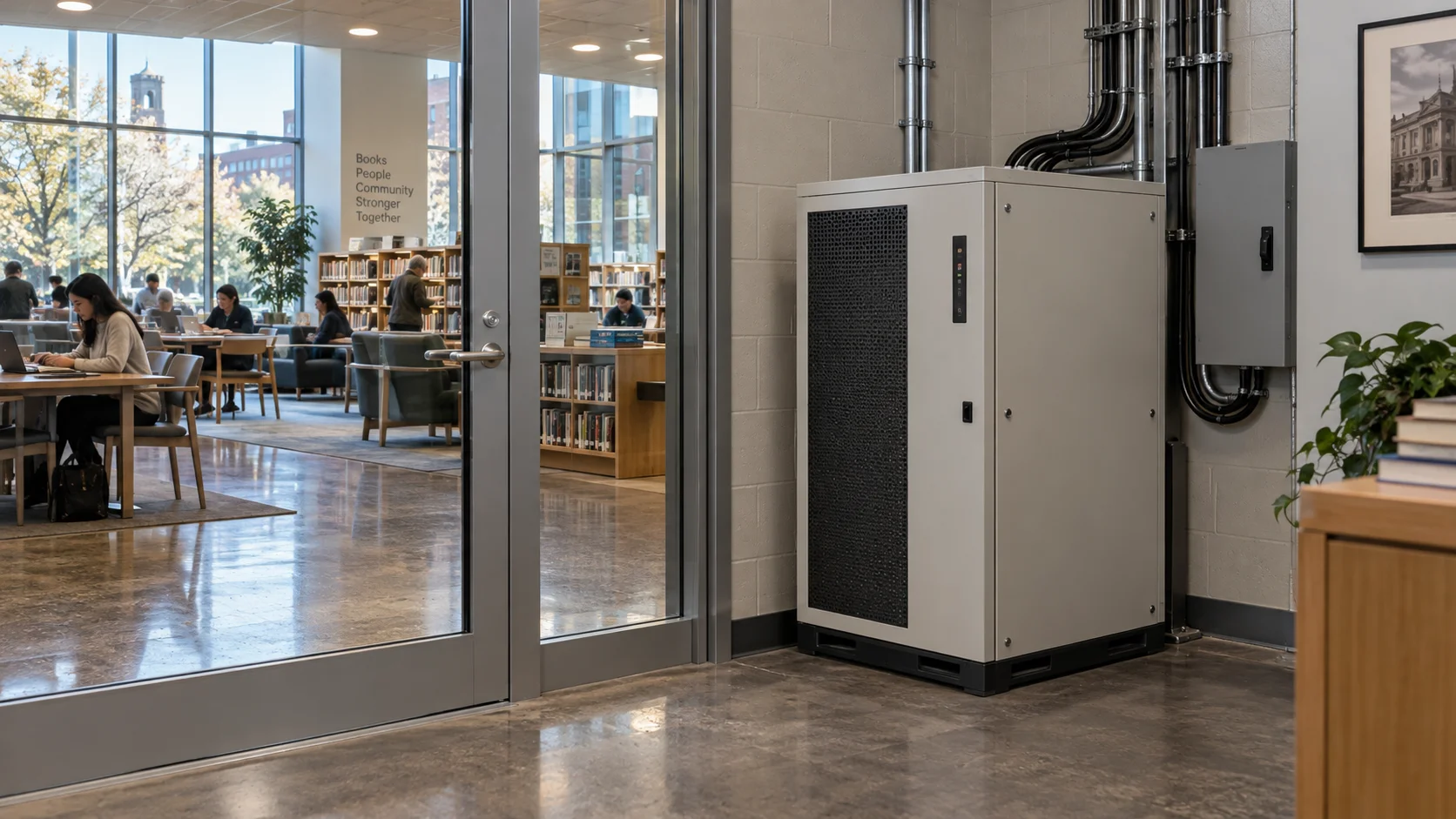
Secure service spaces in libraries and community buildings, away from visitor access.
Swipe to see more locations
Generated installation concepts. Each location requires its own site assessment.
Many nodes. One coordinator.
Independent work travels to available capacity. Results return with their context.
Illustrative network · No live deployment data
A simulation is split into independent jobs. The coordinator checks GPU memory, local capacity and each host’s operating limits before assignment.
Built for possible futures
Send independent branches to different nodes. Keep the starting evidence fixed, vary an assumption and compare the results.
Run batches of agent decisions where jobs fit local GPU memory and can tolerate network delays.
Explore parameter combinations, repeat experiments and return checkpoints with a record of the configuration.
Tightly coupled training and simulations with frequent cross-node communication remain better suited to dedicated clusters. Site availability and internet latency shape which jobs the network can accept.
Explore dedicated simulation clustersA place in the network
Hosting starts with a site assessment. Electrical capacity, connectivity, noise, heat and service access determine whether a node belongs at a property.
The proposed host experience includes agreed operating windows, transparent energy accounting and a way to pause participation. Commercial terms will be established with pilot participants.
Explore hostingFrom a local site to a shared network
Review electrical capacity, connection quality, installation space and local requirements with qualified partners.
Commission the dedicated node, isolate workload access and validate power, cooling and monitoring.
Accept compatible jobs within the agreed limits. Return results, track energy use and maintain the hardware.
We are developing the pilot program. Contact us to discuss a potential host site or infrastructure partnership; hardware is not currently offered for purchase.
Yes, these are candidate sites for the proposed pilot. Offices, shops, warehouses and public facilities would need owner or operator authorization, secure equipment access, suitable power and cooling, and separation from business or visitor networks. Public access does not mean public access to the hardware.
The proposal uses a dedicated managed appliance. Workloads would run on that node, with network isolation from household devices, business systems and public-access networks.
The scheduler is designed around intermittent availability: checkpoint eligible work, retry jobs and reassign capacity. Reliability and recovery behavior need validation in the pilot.
These depend on the final hardware and workload. The pilot must establish measured operating limits and suitability for each installation before a deployment agreement.
Compensation, electricity accounting and maintenance responsibilities are part of the pilot design. There is no published tariff or guaranteed return.
Help build the network
For homeowners, businesses, property operators, public-sector partners, GPU suppliers and simulation teams.