Skip to our mission
Time traveling companyExplore
An imagined coastal metropolis at dawn, with connected waterways and different possible urban futures stretching toward the horizon

The OpenX manifesto

See beyond
the world we know.

Explore the futures we could create.
Make better choices in the world we share.

OPENX — TIME TRAVELING COMPANY

A future worth understanding

We only get one world.
Our choices deserve
more than one rehearsal.

A founder takes a leap. A city changes direction. A new technology changes millions of lives. The consequences rarely stop with the person making the decision.

We’re building OpenX to make those connections visible. To explore what could happen, question what we believe, and return to the present with a clearer perspective.

Why we exist

The world should not be our first experiment.

Every consequential decision begins with an incomplete picture. Someone decides to build, invest, hire, launch, regulate or wait. A plan becomes an action. The action meets people with their own needs, incentives and beliefs. And the world answers in ways the plan did not anticipate.

That is not a failure of imagination. It is the condition of being human. We cannot hold every relationship in our heads. We cannot live through every alternative. We cannot return to the moment before a decision and choose again. But we should not accept that learning must always arrive after the consequences.

We believe there is room for a different relationship with the future. One where we can examine a choice before committing to it. Where we can encounter an unexpected response while there is still time to adapt. Where the first place a plan breaks is a model we can question—not a life, a company or a community that cannot simply be reset.

Learn earlier. See further. Choose with greater care.
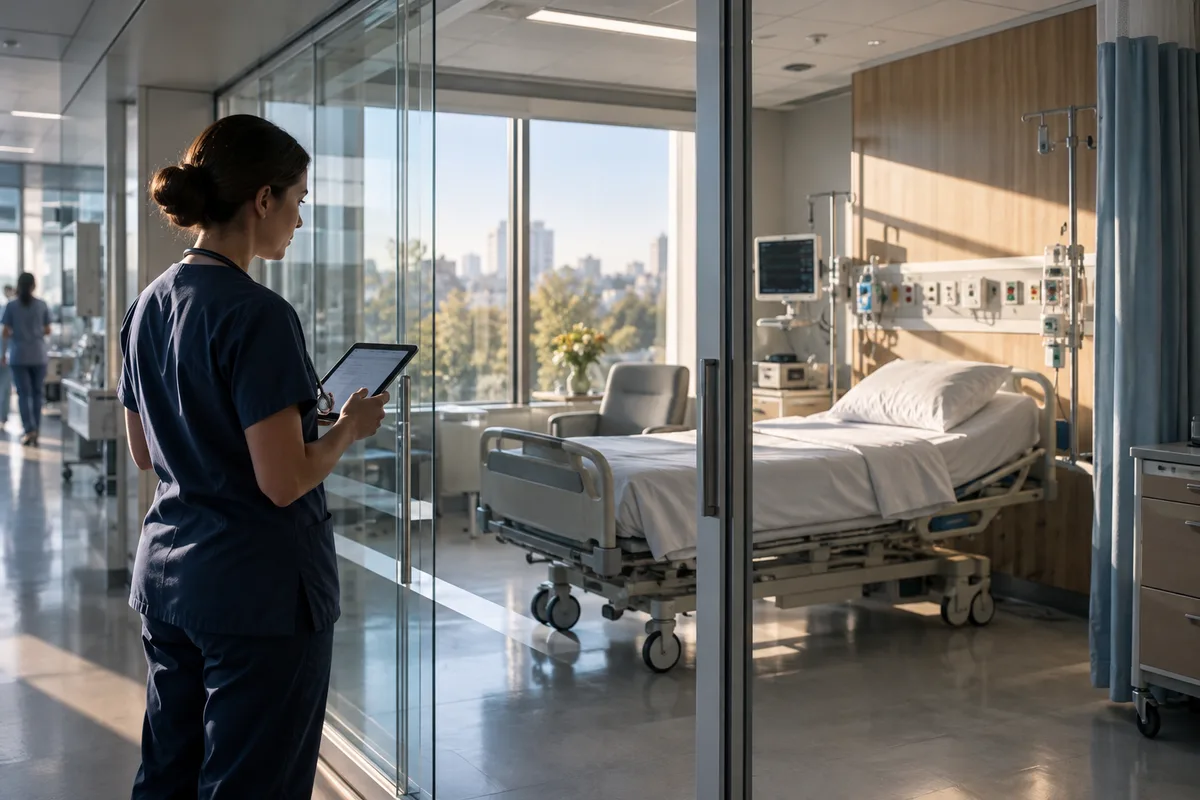
AI-generated illustration: A clinician overlooking a modern hospital ward
Healthcare

What if demand arrived sooner?

Explore staffing, capacity and access before a hospital reaches its limits.
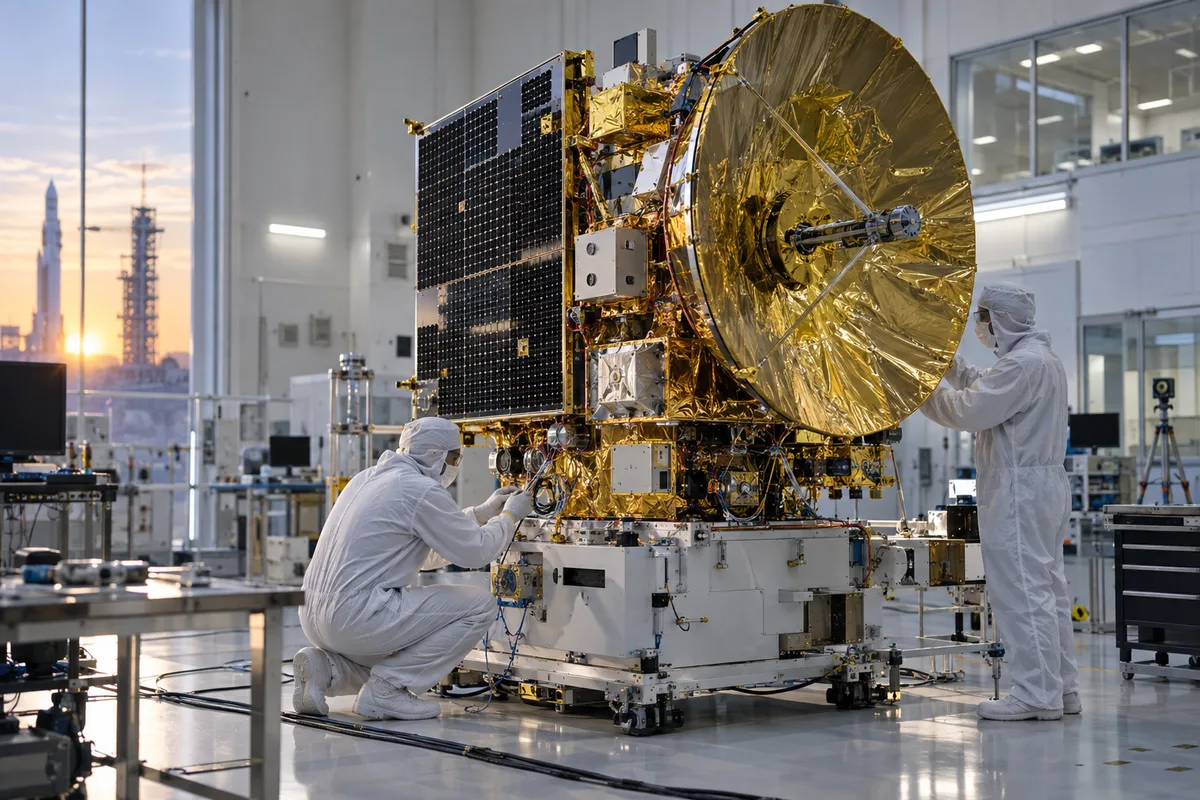
AI-generated illustration: Technicians assembling a satellite in a cleanroom
Aerospace

What if we rehearsed before launch?

Examine dependencies before a mission becomes difficult to reverse.

AI-generated concept imagery · Illustrative questions, not claims of validated industry capabilities.

Our ambition

Making humans time travelers.

For us, time travel is a way of thinking. Step beyond the urgency of today. Explore a possible tomorrow. Return with a better question, a different plan, or a reason to stop. Not a machine that changes the past. A tool that changes how thoughtfully we enter the future.

Imagine a founder exploring how a product could become part of someone’s daily life—not just whether they say they like it. An investor examining what has to happen between an ambitious idea and a durable business. A team asking how a decision could affect the people who were never in the meeting.

This is what we want OpenX to make possible: a place to rehearse consequential choices. A place where ambition can meet resistance, where a compelling story can be challenged, and where alternatives can be explored before one of them becomes the world we inhabit. We are building toward that ambition, one question and one testable model at a time.

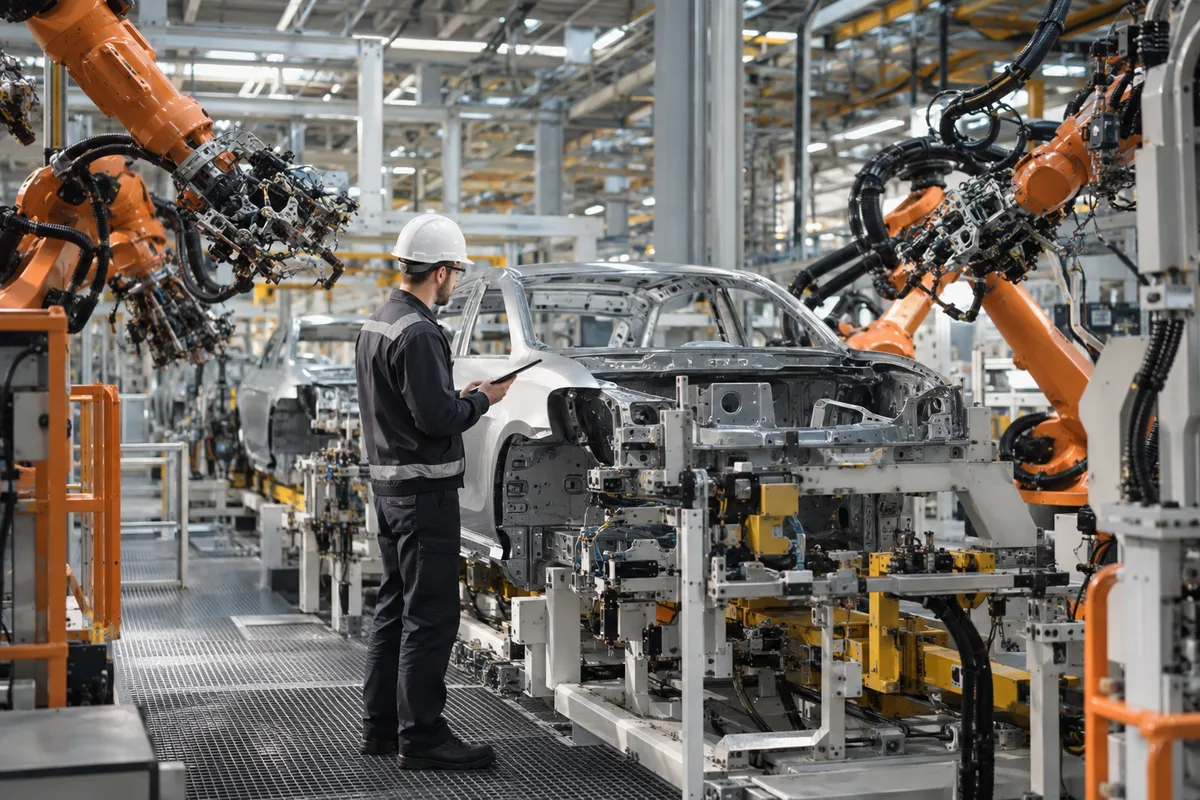
AI-generated illustration: An engineer beside an advanced factory assembly line
Manufacturing

What if one process changed?

Follow the possible effects on throughput, people and suppliers.

AI-generated illustration: Customers and a shopkeeper in a neighborhood grocery store
Retail

What if the price changed?

Look beyond revenue to habits, affordability and customer response.

AI-generated concept imagery · Illustrative questions, not claims of validated industry capabilities.
Our view of the world

Nothing happens in isolation.

A price changes. A customer hesitates. A competitor responds. A team changes its priorities. What began as one decision becomes a chain of reactions. The second and third effects can matter as much as the first, yet they are often the hardest to see.

We want to study the connections, not only the individual pieces. People inside organizations. Organizations inside markets. Markets shaped by technology, culture, institutions and physical constraints. A useful simulation needs to make room for those relationships without pretending that any model can contain the whole of reality.

Our ambition to simulate the world does not mean building a perfect copy of everything. It means building the right model around a question, making its boundaries visible, and expanding those boundaries when evidence demands it. Complexity is not an excuse for opacity. It is a reason to be more deliberate about what we include, what we leave out, and why.

The unit of understanding is not an isolated event. It is the relationship between events.

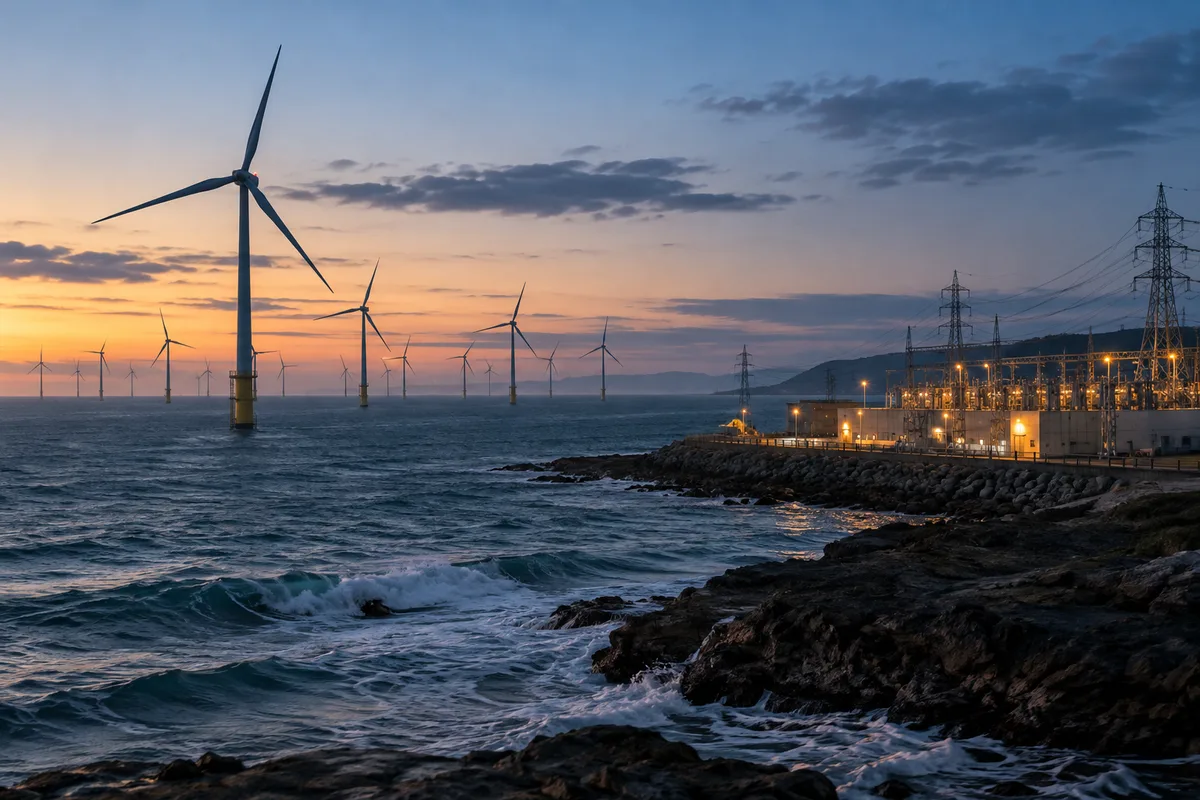
AI-generated illustration: Offshore wind turbines and coastal energy infrastructure
Energy

What if the grid evolved?

Explore generation, infrastructure and the communities they serve together.

AI-generated illustration: Cargo ships, cranes and freight infrastructure at a container port
Logistics

What if a route disappeared?

Trace disruption from a port to the businesses waiting downstream.

AI-generated concept imagery · Illustrative questions, not claims of validated industry capabilities.

Follow the connections

One change can travel far.

  1. A route closes
  2. Deliveries shift
  3. Costs change
  4. People adapt

Responses can feed back into the system—and create new choices.

Conceptual relationship diagram. Not measured data or a forecast.

What we are building

Not the future. Possible futures.

We are not building an oracle. We do not believe a single answer should close a conversation about a complex decision. A forecast can be useful, but a number alone does not explain what would make it wrong, whose behavior it depends on, or which choice could change the outcome.

We want to make alternatives tangible. Change an assumption. Try another sequence. Consider a different response. Keep the starting conditions comparable and examine where the paths diverge. Sometimes the most valuable result will be a promising direction. Sometimes it will be the discovery that the evidence is too weak to decide.

A possible future is not a promise. It is a conditional story that must earn its credibility through evidence, explicit assumptions and testing. The point is not to produce the most impressive scenario. It is to help someone understand what they are betting on—and what they should learn next.

AI-generated illustration: Agricultural fields connected by irrigation channels and a reservoir
Agriculture

What if water became scarce?

Compare choices across crops, livelihoods and a shared resource.

AI-generated illustration: A coastal community beside restored wetlands and a sea barrier
Climate adaptation

What if we prepared differently?

Explore alternative investments across uncertain long-term conditions.

AI-generated concept imagery · Illustrative questions, not claims of validated industry capabilities.

Our standard

A beautiful simulation can still be wrong.

Realistic images, articulate agents and precise-looking numbers can create a powerful impression of understanding. That impression is not validation. We must never confuse a convincing representation with reliable knowledge about the world.

Our standard is to keep the seams visible: where a source ends and an assumption begins, where a model has been tested and where it has not, where changing an input changes the conclusion. Synthetic people are not the people they represent. A simulated response is not consent, an interview or an observation. A probability is not calibrated merely because it is written as a percentage.

We want models that can be challenged, compared with real outcomes, corrected and, when necessary, rejected. Progress means improving the relationship between a model and the reality it describes—not simply making the model more elaborate. Honesty about limitations is part of the product we want to build, not a footnote to its ambition.

The ability to say “we do not know” is a feature, not a failure.

A model should earn our trust

Understanding is a loop, not an answer.

  1. ObserveGather evidence
  2. ModelExpose assumptions
  3. CompareTest against reality
  4. ReviseUpdate or reject

New evidence should be able to change the conclusion.

Illustration of our intended approach, not a performance claim.

Our responsibility

Expand human judgment. Do not erase it.

A model cannot decide what a good future means. That question belongs to people. Different communities can experience the same outcome differently. An efficiency gain for one organization can be a cost carried by someone else. A choice that looks optimal inside a narrow model can be unacceptable outside it.

We believe simulation should help people surface those tensions, not hide them behind an automated recommendation. Who benefits? Who bears the downside? Which voices are missing? What cannot responsibly be inferred from the information available? These questions belong inside the work of understanding a decision.

Our aim is not to remove responsibility from decision-makers. It is to give them fewer reasons to overlook consequences. Better tools should make us more curious, more accountable and more willing to revise a belief—not more certain that a machine has settled the matter.

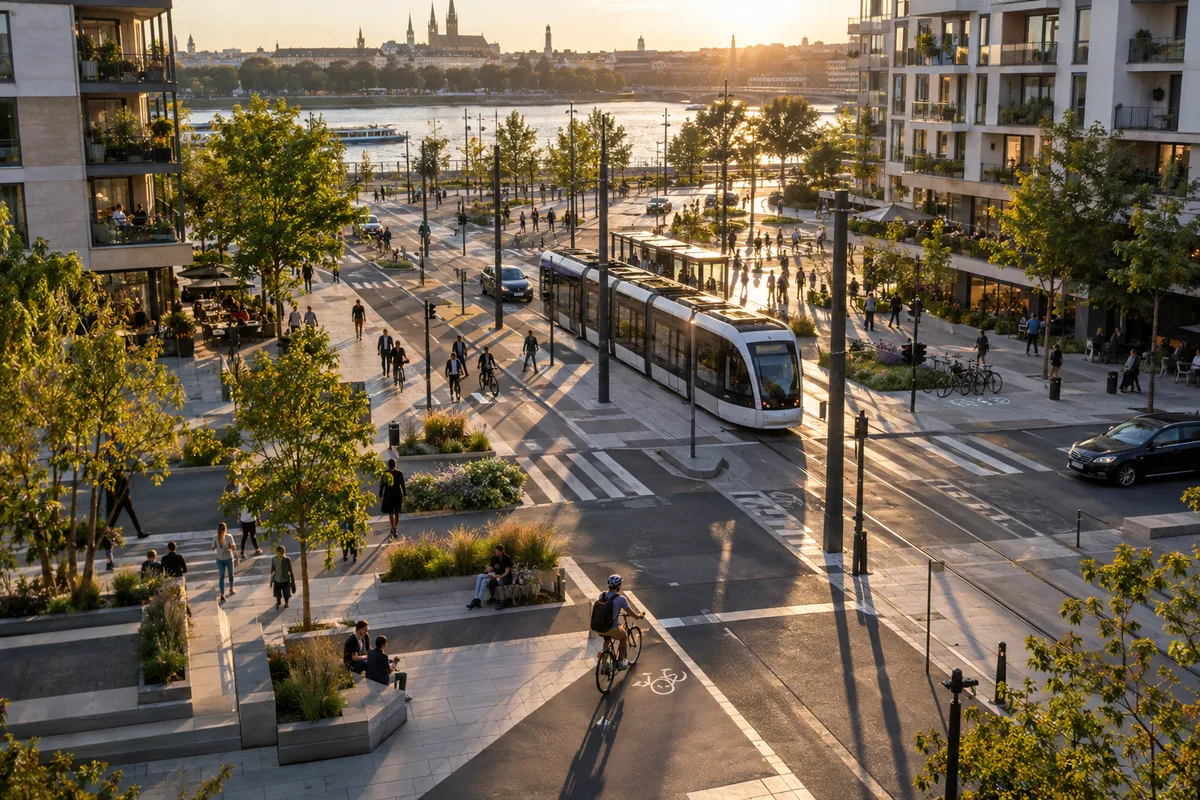
AI-generated illustration: A city intersection connecting a tram, cycle lanes and a pedestrian plaza
Urban mobility

What if the street belonged to more people?

Consider access, travel patterns and the lives around a transport decision.

AI-generated illustration: Homes, construction and shared green spaces in a residential neighborhood
Housing

What if we built for the next generation?

Examine homes alongside affordability, infrastructure and community.

AI-generated concept imagery · Illustrative questions, not claims of validated industry capabilities.

The world we want to help build

A longer view should belong to more people.

We want the ability to explore complex decisions to extend beyond the organizations that can already afford a room full of specialists. To the small team with a bold idea. To the researcher following an unexpected connection. To the people trying to understand a change that will affect their future.

That is a direction, not a claim that we have already arrived. It demands better models, better interfaces and a willingness to learn from the people using them. It demands that we build with domain experts, test our assumptions against reality, and resist the temptation to turn an ambitious mission into a claim of certainty.

OpenX exists because we believe our capacity to act should be matched by a greater capacity to understand. We want to help people explore more, discover consequences sooner, and make room for futures they might otherwise never consider. Tomorrow is not waiting to be revealed. It is being shaped by what we choose today.

Let’s take the time to understand the future we are creating.

AI-generated illustration: Adult learners collaborating on prototypes in a university studio
Education

What if opportunity reached further?

Explore how learning pathways could meet different needs and constraints.

AI-generated illustration: A financial district and neighboring small businesses at dawn
Finance

What if capital took another path?

Consider the companies, jobs and communities beyond an investment.

AI-generated concept imagery · Illustrative questions, not claims of validated industry capabilities.
This is why we’re building OpenX.

Three connected versions of a world, representing alternative simulation scenariosOne starting point. Different possibilities.

Not one inevitable tomorrow

Change a choice.
Open a world.

Markets, people and events don’t move in isolation. They respond to one another. Our ambition is to give people a way to explore that living complexity—not just a single forecast.

Explore the technology

Every possibility begins with a question

One decision.
More ways forward.

The starting point

What if we backed the idea?

One company. Three ways to commit capital.

What to explore

Explore what growth, competition and future dilution could mean for the investment.

Concept illustration, not a running simulation or a prediction. Actual outcomes depend on evidence, assumptions and model limitations.

Ambition without false certainty

Dream further.
Question everything.

Evidence before confidence.

Know what comes from a source, what comes from an assumption, and what remains unknown.

Possibilities, not promises.

A useful simulation opens up a decision. It does not disguise uncertainty as a guaranteed outcome.

Human judgment at the center.

Technology should expand our perspective. The responsibility to choose stays with us.

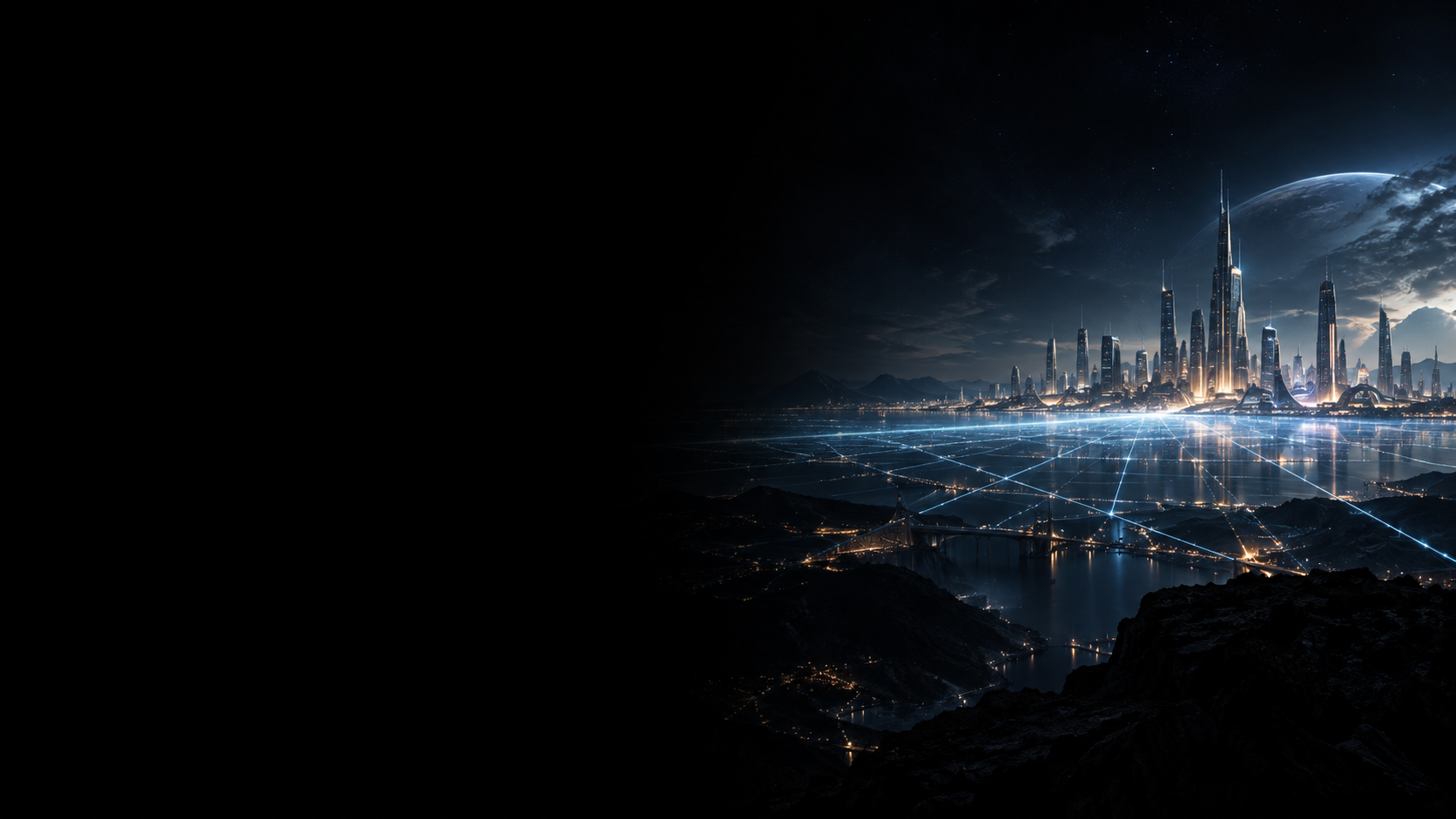
An imagined connected city on a distant horizon

The next chapter starts here

Let’s build a future
we’ve taken the
time to understand.