
Analytics explain the past.
OpenX rehearses what comes next.
The future is too expensive to test directly in production. OpenX lets teams compare alternatives, inspect why outcomes differ, and identify the smallest real-world experiment that reduces uncertainty.
Explore the simulation process ↓
We create AI agents modeled on real people and place them inside simulated environments, allowing companies to test decisions before implementing them in the real world.

LIVE WORLD · SAN FRANCISCO12,400 agents
Morning routine
Observe friction before the day begins.
Moving through the city
Measure choices across time and place.
Coffee with a colleague
Trace how social context changes intent.
Trying the product
See what converts interest into action.
01Model the person02Fork the decision03Observe behavior in context
Illustrative agent and environment concepts, not a live population. Synthetic people are modeled representations, not observations of real individuals.
One decision.
Thousands of possible futures.
Simulate human behavior in any environment to tailor your decisions and achieve your goals.
SIMULATING: AUDIENCE SEGMENTS 1 / 3
Product
See which features earn adoption, trust, and retention before committing the roadmap.
Go-to-market
Rehearse messages, channels, pricing, and competitive response before launch.
Finance
Fork runway, hiring, capital, and revenue assumptions across correlated shocks.
Legal
Rehearse arguments, evidence, counterparties, process choices, and settlement paths.
BEHAVIOR MODEL LIVE
Variation in preferences, incentives and risk tolerance.
How strongly peers and networks affect each decision.
How long agents retain outcomes and adapt from experience.
Frequency and intensity of external changes and shocks.
Population modelHigh behavioral heterogeneity
Interaction modelPeer-influenced decisions
StructureLearn the supported relationships between actors, traits, environments, and second-order effects.
Synthetic character previewOpen in app ↗
Fictional profile · Chicago
Mara Velasquez
Enterprise Security Director
Personal goal
Adopt useful AI automation without weakening auditability or regulatory posture.
Caution
Evidence trust
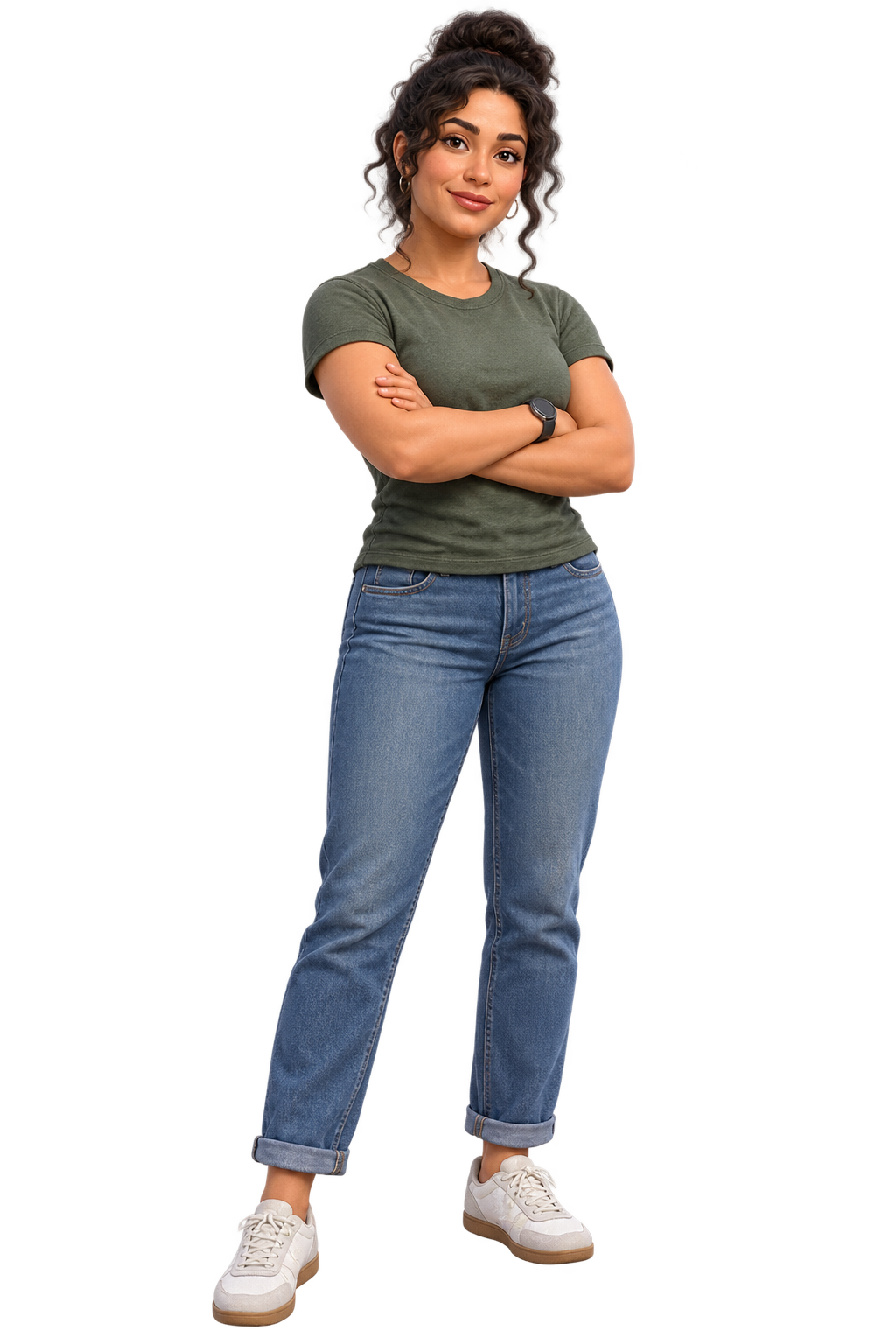
Illustrative step 1 / 3Review the proposal
A decision reaches this person with their own goals and constraints.
Fictional traits and scripted activities, not a clone of a real person or a live AI forecast. Population diversity and memory controls apply to the environment view.
Illustrative product demonstration. OpenX returns ranges, evidence links, and confidence levels—not guarantees.
From evidence to understanding
Five stages.
One learning loop.
Explore how a question becomes a model—and how that model earns its place in a decision.
01 / Ground
Start with what we know.
Connect evidence from product data, interviews, operations and documents. Make the starting assumptions visible.
What carries forwardEvidence + explicit assumptions
Conceptual visualization of the workflow. Not a live simulation or a performance result.
Bring us your decision